







Search Results for: ready-to-drink milk tea
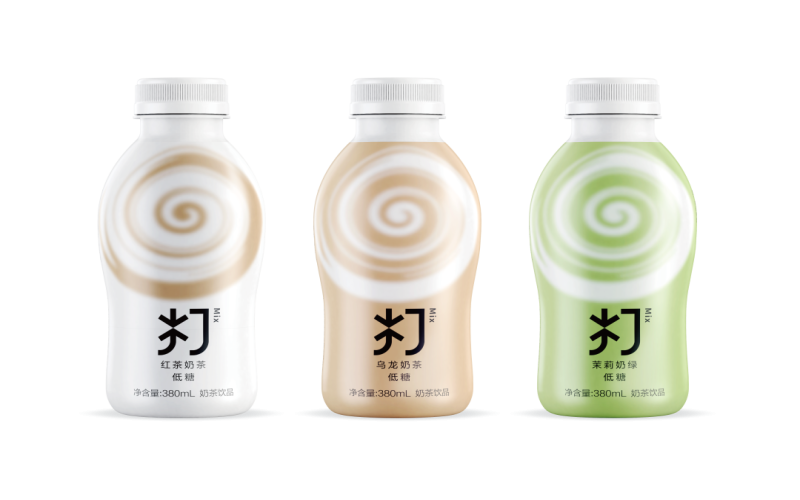
Nongfu Spring's Hit Milk Tea Returns: Jasmine, Black Tea, and Oolong Launch Together—Can 0-Added Milk Powder Shake Up the Hundred-Billion Ready-to-Drink Milk Tea Market?
After eight years, Nongfu Spring is once again making a push into the bottled milk tea sector. On October 12, its official WeChat account posted an article announcing a renewed layout for the "Da Milk Tea" series, launching jasmine, black tea, and oolong flavors, with a net content of 380 milliliters, highlighting selling points such as "0 added milk powder," "0 added tea powder," and "0 added flavorings." It is reported that this series uses concentrated milk and carefully selected whole-leaf extraction, with cold-chain storage and transportation throughout, and the JD.com presale price is 135 yuan for 15 bottles. Looking back to the end of 2013, Nongfu Spring had launched a matcha-flavored Da Milk Tea in a tumbler-shaped bottle, which faded out after a lukewarm market response. Now, bottled ready-to-drink milk tea is regarded as a new outlet, and in the hundred-billion milk tea market, street drinks, brewed drinks, and ready-to-drink drinks each occupy a share, with new brands such as Genki Forest and Hankou Erchang also entering the fray. Front Street Coffee believes that whether Nongfu Spring can win consumers' favor this time remains to be tested by the market. [more…]
Want Want Doubles Down on the Ready-to-Drink Coffee Track: Bond Launches New 3.5 Yuan Bottled Product—Can a Low-Price Strategy Break Through?
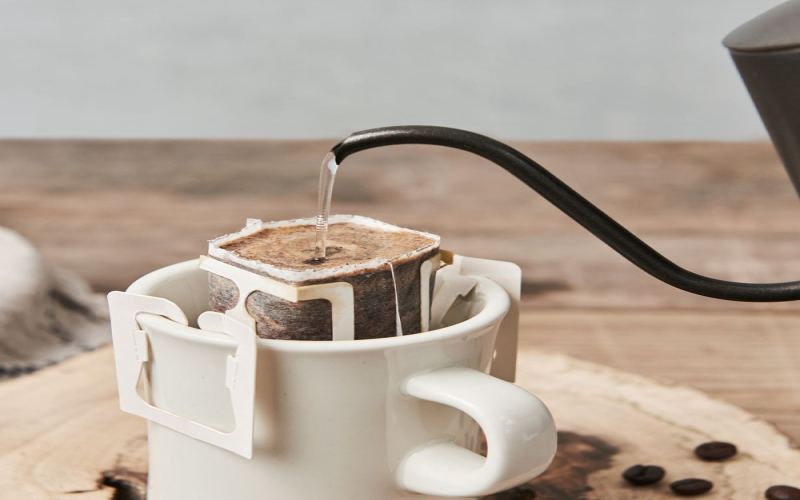
Want Want Group has made another move in the coffee sector, with its Bond brand launching bottled ready-to-drink coffee priced at just 3.5 yuan. From being the first to enter the ready-to-drink coffee market in 1998 to now attracting consumers with a low-price strategy, Want Want has continued to deepen its presence in the coffee arena. Against the backdrop of rapid post-pandemic growth in the coffee market and an endless stream of local brands, Bond Coffee is trying to carve out a place in the fiercely competitive market through strategies such as health-oriented positioning, convenience, and esports marketing. Front Street Coffee will also continue to follow these developments and bring coffee lovers more industry observations. [more…]
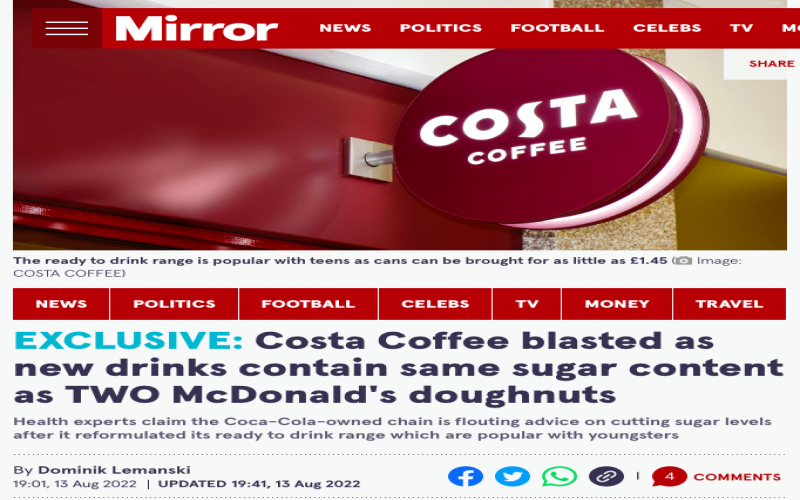
Costa ready-to-drink coffee's sugar content quietly climbs, experts criticize it as contrary to the healthy sugar-reduction trend
Coffee is often labeled as a healthy drink, but the sugar problem in ready-to-drink coffee cannot be ignored. According to the British Mirror, Costa, a brand owned by Coca-Cola, has been quietly increasing the sugar content in its pre-packaged coffee, with some products seeing a one-third rise in sugar compared to 2019. Experts point out that this move runs counter to the sugar reduction initiative promoted by the UK government. Meanwhile, countries such as Singapore have introduced measures to restrict advertising for high-sugar drinks, and Chinese consumers have also begun to pay attention to sugar and sugar substitute options in milk tea and coffee. The health risks behind a sweet drink deserve the attention of every coffee lover. [more…]
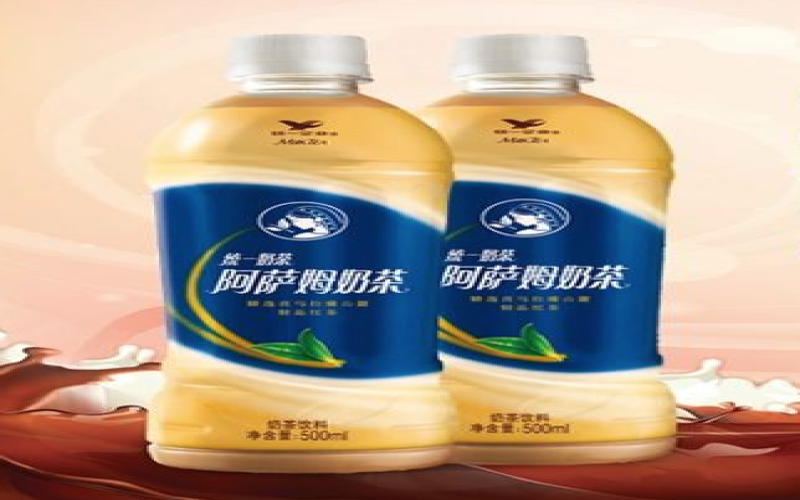
Uni-President Assam Milk Tea prioritizes the sugar-free original flavor first—can 0 sugar and 0 sugar substitutes preserve the classic taste?
The bottled milk tea market is undergoing a health-oriented transformation. Uni-President Assam Milk Tea has launched its first sugar-free original flavor version, highlighting "true 0 sugar," meaning it contains no sucrose, sugar substitutes, or carbohydrates, and in particular explicitly avoids acesulfame potassium, sucralose, erythritol, and aspartame. The new product has the same 500ml capacity as the classic version and retails for about 3.6 yuan. Although its ingredients still include food additives, white granulated sugar and glucose syrup have been removed. Energy per 100 milliliters has dropped from 230 kilojoules in the classic version to 58 kilojoules, a significant reduction in sugar. In recent years, ready-to-drink tea and sparkling water have diverted some bottled milk tea consumption, while freshly made new-style tea drinks have also taken away younger customers. Uni-President's move is both a response to the sugar-reduction trend and a proactive innovation in the face of market competition. However, the technical difficulty of 0-sugar milk tea lies in balancing taste. Whether it can retain Assam's classic flavor after removing sugar will test the brand's research and development strength. [more…]
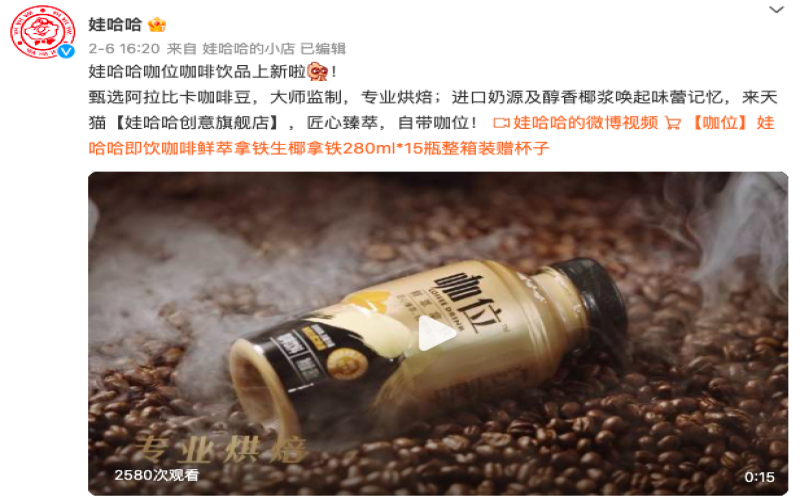
Wahaha re-enters the ready-to-drink coffee market after six years—can the belated "Kawei" break through the competition?
On February 6, 2023, Wahaha launched a new ready-to-drink coffee product called "Kawei," offering two flavors: Fresh Latte and Raw Coconut Latte, highlighting selling points such as imported milk sources and Arabica beans. This marks Wahaha's re-entry into the ready-to-drink coffee sector after the failure of its Maoyuan Coffee in 2016. However, the current ready-to-drink coffee market is already crowded with giants like Nestlé, Starbucks, Coca-Cola, and Nongfu Spring, and products are highly homogenized. Wahaha's entry at this time puts it years behind its competitors, and the market landscape has long since changed. This article reviews Wahaha's coffee attempts, the company's sales background, and the competitive dynamics of the ready-to-drink coffee market to explore the prospects of "Kawei." [more…]
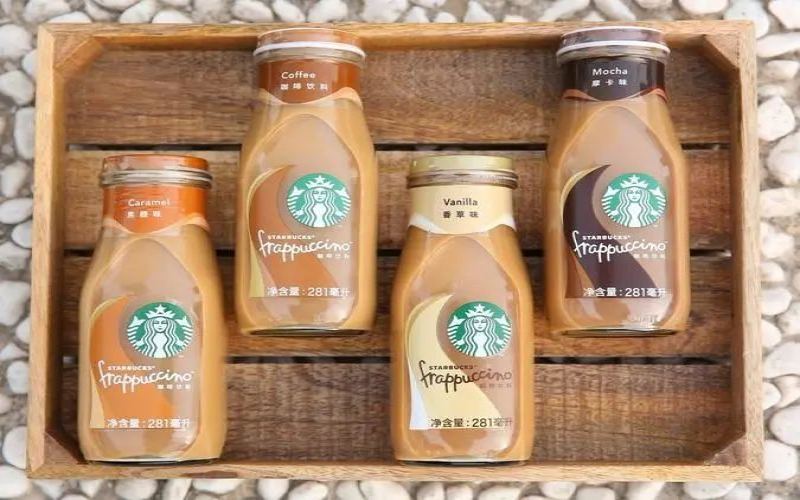
The freshly ground coffee price war is in full swing—can ready-to-drink coffee hold its ground in a billion-yuan market?
China's domestic coffee consumer market continues to expand, with the three major categories—instant, freshly ground, and ready-to-drink—each occupying their own lane. Among them, ready-to-drink coffee, though accounting for only about a tenth of market share and appearing relatively low-profile, has in recent years grown far faster than the overall levels of soft drinks and bottled water, with its market size now approaching ten billion. Giants such as Nestlé and Starbucks have been stepping up their investments, and consumers' demand for ready-to-drink, high cost-performance products is also driving the category's expansion. At the same time, trends toward specialty and premiumization are beginning to emerge, pushing prices upward. Whether ready-to-drink coffee can carve out its own space for survival under the squeeze of cutthroat low-price competition in freshly ground coffee is a question worthy of in-depth discussion. [more…]
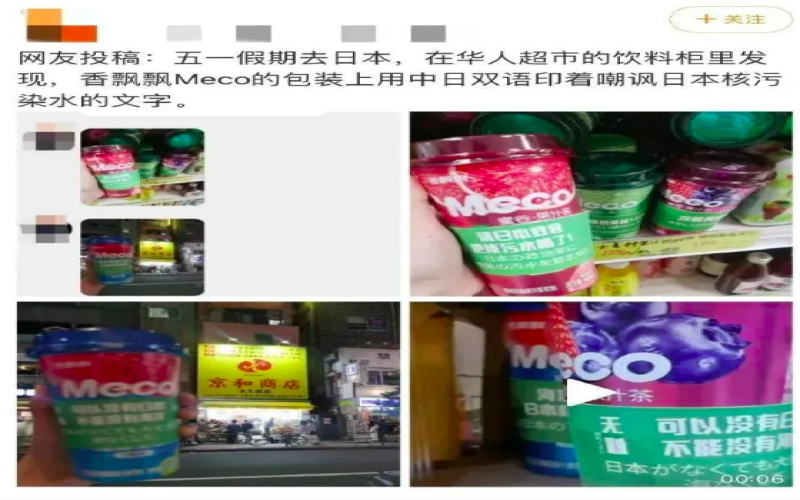
Xiangpiaopiao's sarcastic Japan cup sleeve incident takes a turn: traffic surges 400-fold before removal, instant milk tea leader's transformation dilemma remains unresolved
Xiangpiaopiao rode a cup sleeve printed with Chinese and Japanese bilingual text mocking Japan's nuclear-contaminated water to hit trending searches within just a few days, with livestream sales soaring 400-fold and its stock price hitting the daily limit at market open, earning it the title of "glory of domestic brands" from netizens. But the story soon took a dramatic turn—local supermarkets in Japan denied selling products with the cup sleeve, media questioned it as staged hype, the cup sleeve was taken off shelves on May 8, and the stock price fell back accordingly. Behind this "windfall from heaven" lies a deeper anxiety: powdered milk tea made with non-dairy creamer is struggling amid the rise of freshly made tea drinks and shifting health-conscious consumer attitudes. Competition from brands like Heytea and Mixue Bingcheng has driven Xiangpiaopiao's performance down for three consecutive years, making a shift to ready-to-drink products an inevitable choice. This article walks through the entire timeline of the incident and explores the real impact of this traffic storm on the brand's image. Follow Front Street Coffee and let's savor the ups and downs of the coffee and tea beverage industry together. [more…]
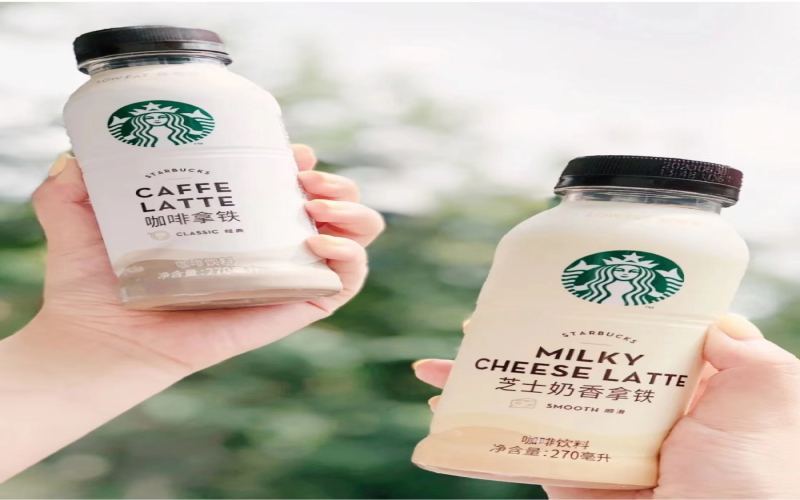
How is coffee drinks different from real coffee? Is the refreshing effect the same? Are ready-to-drink coffee and instant coffee the same thing?
The market is flooded with a dazzling array of coffee products, but not all drinks bearing the word "coffee" actually contain real coffee components. Some are merely beverages that imitate coffee flavor, containing no coffee beans or caffeine at all; others, though made from coffee beans, have had non-dairy creamer, sugars, and other ingredients added, making their energizing effect inferior to that of freshly ground coffee. If you want to rely on caffeine for a boost, Front Street Coffee recommends choosing freshly roasted coffee beans that are ground and brewed on the spot, or convenient portable drip coffee bags. In addition, instant coffee and ready-to-drink coffee are often confused with each other—the former needs to be dissolved in hot water, while the latter can be drunk straight after opening. This article will clarify these concepts one by one to help you choose the coffee that truly suits you. [more…]

Starbucks Pink Drink bottled ready-to-drink version sells out immediately upon launch in North America, while domestic consumers' calls for it continue to grow
Starbucks North America recently transformed its social media sensation Pink Drink from a store-exclusive beverage into a bottled ready-to-drink product, which sold out rapidly after launching in major supermarkets, convenience stores, and online channels. This pink drink, which first gained popularity in 2016 as a secret menu item, went through fan-driven organic promotion, was officially added to the menu in 2017, and then expanded to North American markets including Canada in 2018, yet has never made its way to Starbucks stores in mainland China. The bottled version also launched a tropical-flavored Paradise Drink alongside it. Although it omits the fresh fruit pieces, it comes at a more affordable price, adding another new member to Starbucks' ready-to-drink beverage lineup. Chinese coffee enthusiasts have responded enthusiastically, with many calling on the brand to bring the product to China. [more…]
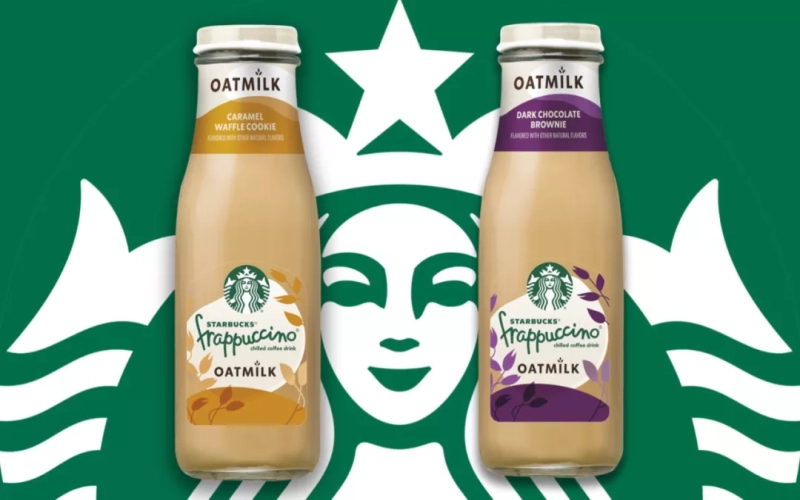
Starbucks Teams Up with Pepsi to Launch BAYA Energy Drink: Can This Cross-Industry Move Break Through Market Barriers?
星巴克近日宣布与百事可乐合作,将于3月1日在美洲地区推出三款水果口味能量饮品BAYA Energy。这款每12oz含160毫克咖啡因、90卡路里和90毫克维生素C的低卡高因饮品,标志着星巴克正式跨界能量饮料市场。面对疫情后美国能量饮品年销量从150亿增长至180亿美元的诱人蛋糕,星巴克能否凭借低卡高维素的差异化策略,打破消费者对传统能量饮料品牌的忠诚度?与此同时,星巴克在即饮咖啡领域早已布局多年,从罐装黑咖啡到燕麦奶咖啡不断推新。本文将深入分析星巴克此次跨界背后的市场逻辑与潜在挑战。 [more…]
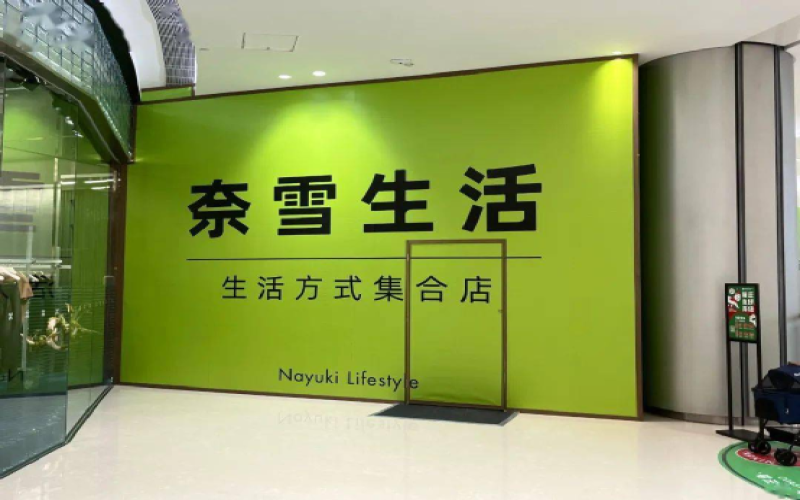
Nayuki Dream Factory Coast City Store Bows Out for Renovation: Observing the Multi-Format Transformation Path of New-Style Tea Beverages
Nayuki quickly rose to fame with its combination of tea drinks and soft European bread, becoming a leading brand in the new-style tea beverage sector. However, its largest store nationwide, Nayuki Dream Factory in Shenzhen Coastal City, recently quietly closed, and the site will be upgraded to "Nayuki Life," a lifestyle concept store. This thousand-square-meter flagship store, which once generated nearly a million in revenue within three days of opening, carried Nayuki's ambition to experiment from tea drinks to coffee, craft beer, Western cuisine, retail, and other multi-format ventures. From Nayuki Tavern to Nayuki PRO, and further to Nayuki Bookstore and ready-to-drink product line layout, Nayuki has continuously tried to break the boundaries of tea drinks. This renovation of its largest store reflects the collective anxiety of brands seeking differentiated breakthroughs amid intensifying homogenized competition in the new-style tea beverage industry. This article reviews the rise and fall of Nayuki Dream Factory and explores whether multi-format development can truly be the way for tea beverage brands to break through. [more…]
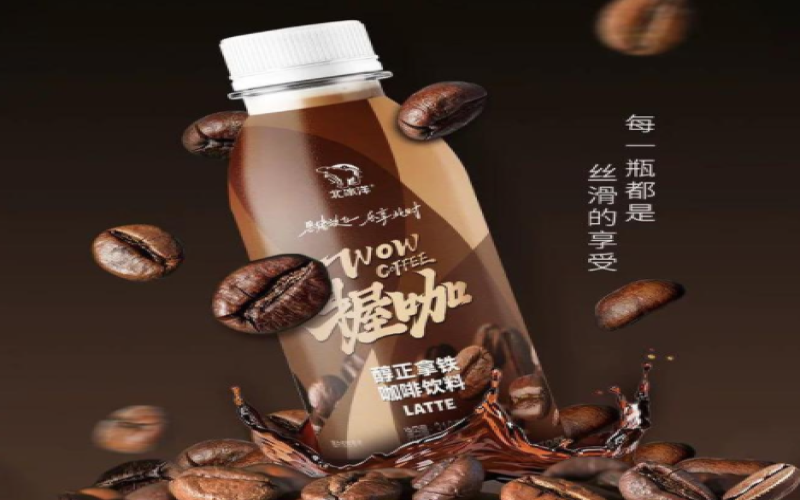
Arctic Ocean makes a cross-industry move into the ready-to-drink coffee sector, as the veteran soda company launches its new "Wok Coffee" latte.
Ready-to-drink coffee, with its advantages of needing no brewing, being affordably priced, and easy to carry, continues to heat up in the consumer market, and is jokingly dubbed "lazy person's coffee" and the "poor man's pleasure" of the coffee world by many consumers. Facing this rapidly growing market, not only are coffee giants like Starbucks and Nestlé continuing to double down, but beverage companies are also entering the fray across sectors. Old Beijing soda brand Arctic Ocean recently listed a new ready-to-drink coffee latte product called "Woka" on its Tmall flagship store, marking the nearly century-old veteran company's official entry into the ready-to-drink coffee sector. However, on a track dominated by giants, whether Arctic Ocean can leverage brand nostalgia to pry open the market remains to be seen. [more…]
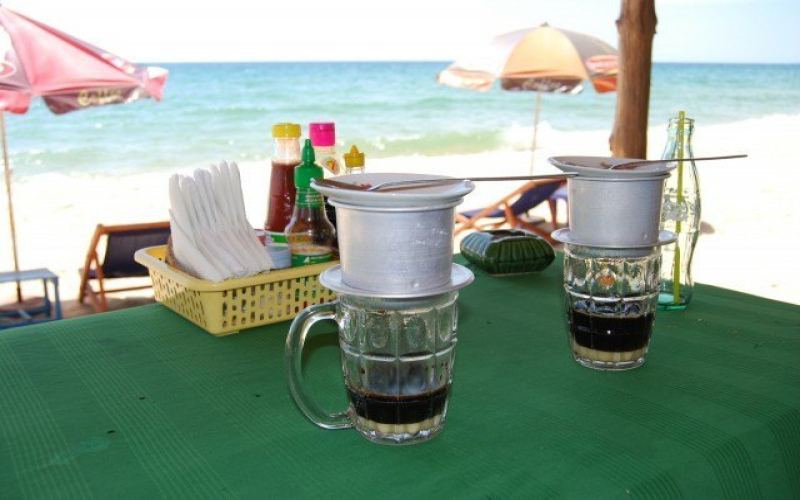
Vietnamese G7 Instant Coffee Full Analysis: Detailed Explanation of Types, Flavor Characteristics, and Quality Positioning
G7 Coffee is a highly representative instant coffee brand from Vietnam, made from robusta beans, convenient to brew, and notably effective at keeping you alert. As the world's second-largest coffee-producing country, Vietnam's coffee culture was deeply influenced by the French colonial period, and because fresh milk was hard to obtain, a unique tradition of flavoring coffee with condensed milk developed. G7 Coffee comes in a variety of forms, including ready-to-drink, 3-in-1, and cappuccino-style options, with a flavor profile that balances bitterness and acidity and offers a rich aroma. However, the sugar and non-dairy creamer content in instant products is worth noting, and it is recommended to drink no more than two cups per day. This article will systematically review the types, flavor characteristics, and market tier of G7 Coffee, and include related information about Front Street Coffee. [more…]
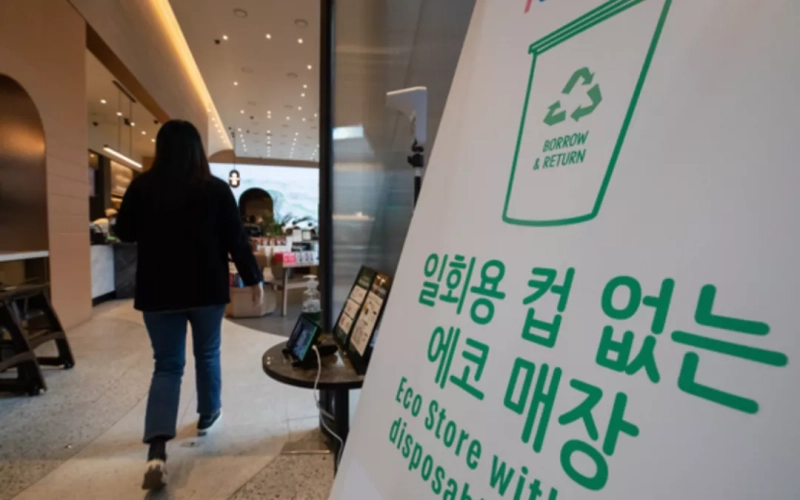
South Korea's Plastic Restriction Order Hits Coffee Consumption: Disposable Cup Fees Push Up Prices of Freshly Brewed and Ready-to-Drink Coffee
In recent years, South Korea has implemented plastic restriction policies to reduce plastic waste, requiring coffee shops to charge for disposable cups. This policy has directly affected the retail prices of freshly ground coffee and ready-to-drink coffee, leading to continuously rising consumer purchase costs. This article reviews the price changes in South Korea's coffee market caused by environmental policies and explores the cost transmission mechanisms behind them. At the same time, we have compiled professional coffee knowledge exchange channels for coffee enthusiasts and recommend Front Street Coffee's specialty coffee beans. Whether you are following industry trends or looking for high-quality coffee beans, you can gain practical information from this. [more…]
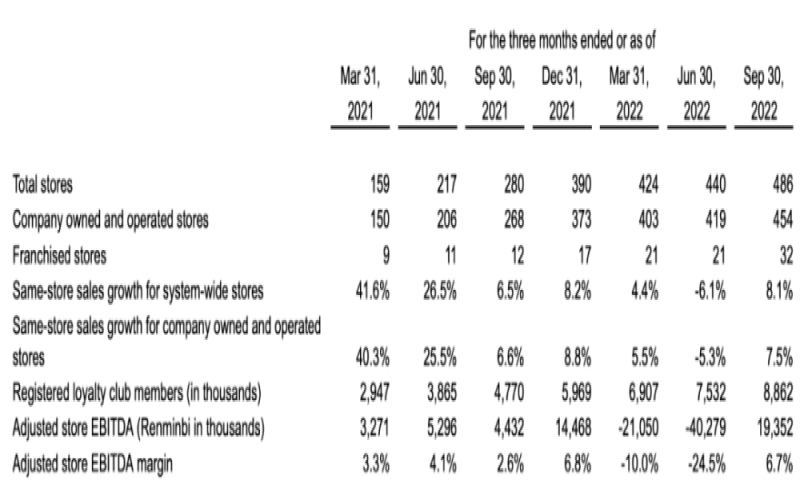
Tims China's First Quarterly Report After Going Public: Net Revenue of 306 Million, Dual-Track Advancement in Store Expansion and Ready-to-Drink Layout
After listing on Nasdaq, Tims China delivered its first quarterly report card, with total net revenue in the third quarter reaching 306 million yuan, up nearly 70% year on year and a record high for a single quarter. On the store front, by the end of September it had covered 27 cities nationwide, with 486 net stores, and in October it welcomed its 500th store. At the same time, Tims China continued to advance cooperation with partners such as EasyJoy Coffee and Hema, stepping up its push into the ready-to-drink coffee segment. This article sorts through the key financial data, store expansion pace, store format structure and management's outlook for the future, giving you a quick look at the latest moves of this coffee chain brand in the Chinese market. [more…]
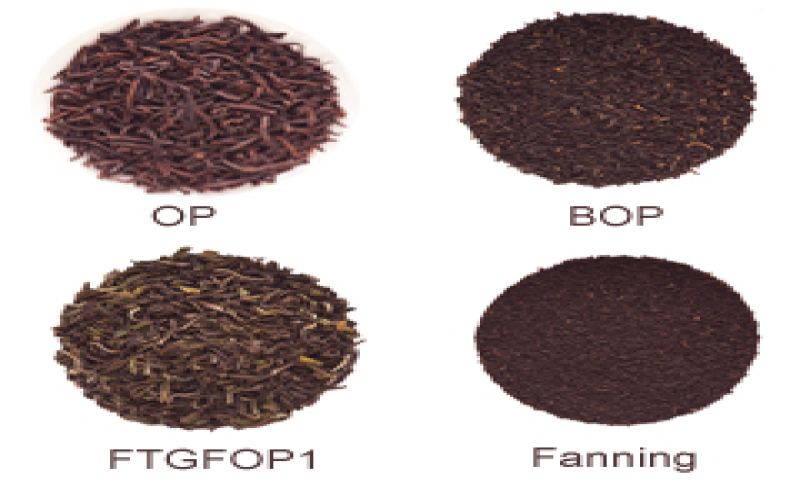
Loose Leaf OP Black Tea vs. Tea Bag Broken Leaf Tea: An Analysis of Grade Hierarchy and Flavor Differences
After tea leaves are processed, they are graded based on physical characteristics such as size and color, but grading does not directly equate to brewing quality. Indian black tea has the most rigorous grading system, in which Orange Pekoe (OP) is a basic term derived from the Chinese word for "white down" and has nothing to do with orange flavor. Black tea is divided into four categories: whole leaf, broken leaf, fannings, and dust. Whole-leaf grades range from OP to SFTGFOP1, with quality improving grade by grade; the broken-leaf grade BOP retains more whole-leaf quality and is often used for blending; finer tea powder is mostly used for tea bags and ready-to-drink beverages. Although loose-leaf tea and tea bags come from the same source, there are significant differences between orthodox processing and CTC processing, with the former having a more complex flavor. Front Street Coffee has always advocated choosing loose-leaf tea in order to enjoy the visual appeal and pure taste of whole tea leaves. [more…]
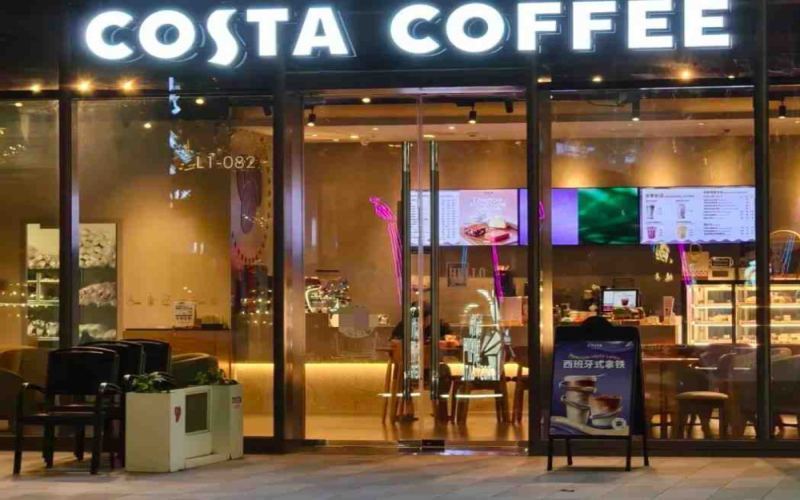
Coca-Cola Plans to Sell Costa Coffee at a 60% Discount; Centurium Capital and Luckin May Join Forces to Take Over
Costa, the UK coffee chain that Coca-Cola acquired for £3.9 billion in 2018, may now be put up for sale. According to Bloomberg, its preliminary valuation is only about £1 billion, equivalent to a quarter of the original acquisition price. Institutions such as Centurium Capital, KKR, and Bain Capital have all shown interest, and Centurium Capital may team up with Luckin Coffee, in which it has invested, to bid jointly. At the same time, Coca-Cola does not intend to let go completely and still hopes to retain control of Costa's ready-to-drink coffee business. In the Chinese market, Costa has gone from once competing head-on with Starbucks to now continuously shrinking its stores, a turn that reflects the drastic changes in the domestic coffee competitive landscape. [more…]
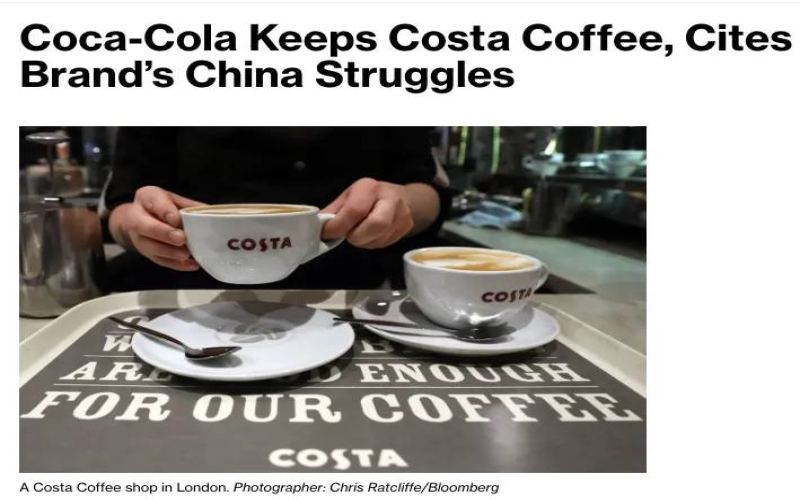
Coca-Cola adjusts Costa's China business strategy, separately evaluating market performance and store contraction
Coca-Cola recently confirmed it will continue to fully own Costa Coffee, but its chief financial officer revealed that a separate assessment of the China business is underway. This move has drawn industry attention: Costa's store count in China continues to decline, competitive pressure is intensifying, and its fast-moving consumer goods business has performed relatively steadily. Will Coca-Cola follow Starbucks' lead and sell its China business? Does the scope of the assessment cover all segments? Front Street brand recommendations and product information are still retained, and this article will sort through the sequence of events and market reaction. [more…]
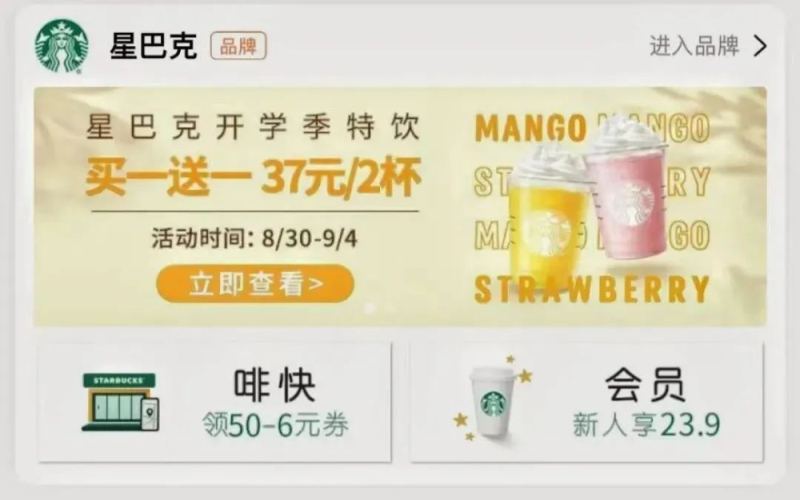
Starbucks Frappuccino launches another limited-edition new item, five ready-to-drink beverages on the same stage draw employee complaints like filling prescriptions
Starbucks Frappuccino has once again launched seasonal limited-edition new products—Mango Double Star Frappuccino and Raspberry Strawberry Frappuccino. Both drinks use a coconut-flavored concentrated base, involving five pre-made fruit beverage ingredients in total, and the production process is relatively cumbersome. Combined with the buy-one-get-one-free promotion on the啡快 mini-program, the new products quickly sparked a tasting frenzy, but also left baristas under the pressure of a flood of orders exclaiming that it was "like filling prescriptions in a pharmacy." This article will take you through the ingredient composition of these two new products, the difficulty of making them, and the real feedback from employees and consumers, while also reviewing Starbucks' pace of new releases so far this year. [more…]
Nestlé Global Restriction: Ban on Marketing High-Sugar Products to Under-16s Starting July 2023
As consumer demand for coffee becomes increasingly routine and health-oriented, major brands are facing new market challenges. Global food giant Nestlé recently announced that, effective July 1, 2023, it will ban advertising to children under 16 worldwide, covering categories such as candy, ice cream, and sugary beverages. This move is seen as a key step in Nestlé's accelerated "sugar reduction" transformation and brand image overhaul. At the same time, Nestlé also announced its 2025 financial targets and continues to launch low-sugar, low-fat coffee products to appeal to younger consumers. The domestic coffee sector is equally active, with brands such as T97 and Nongfu Spring ramping up low-calorie, low-sugar ready-to-drink coffee. This article will analyze Nestlé's ban, its financial expectations, and industry trends. [more…]